Interactive museum exhibits that let visitors walk back into a place

I design interactive exhibits for museums, historical societies and visitor centers. A place your visitors remember is rebuilt from floor plans, directories, footage and their own memories, so they can walk through it again. It runs as a museum touchscreen exhibit in your gallery, and the same piece is a virtual tour of a historic place on any phone at home.

From $12,000, built to spec

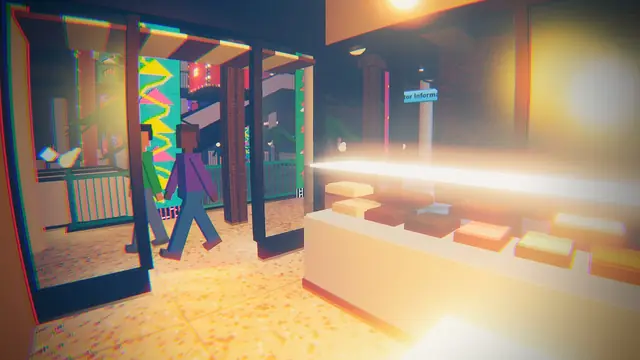
West End Marketplace Dallas, Texas, as it was in the 1990s Real-time 3D walk-through for touchscreen and web Featured on D Magazine's FrontBurner

Two places you can visit right now

Both of these are my own studies, made to show what a walk-through exhibit can be. Neither was commissioned by a museum, and both are free to visit in any browser, so you can judge the work for yourself before we ever talk.

Title
West End Marketplace
Place and date
Dallas, Texas, 1986 to 2006, shown as it was in the 1990s
Medium
Real-time 3D walk-through with a guest book and a history page, for touchscreen and web
Sources
The building's floor plan, the mall's own store directory, historic maps, local TV news footage of the era, and the memories of people who shopped there
Credit
Featured on D Magazine's FrontBurner

The West End Marketplace was a shopping mall in a row of old brick and timber factory buildings in downtown Dallas, open from 1986 to 2006. The building still stands as offices. The mall inside it is gone.

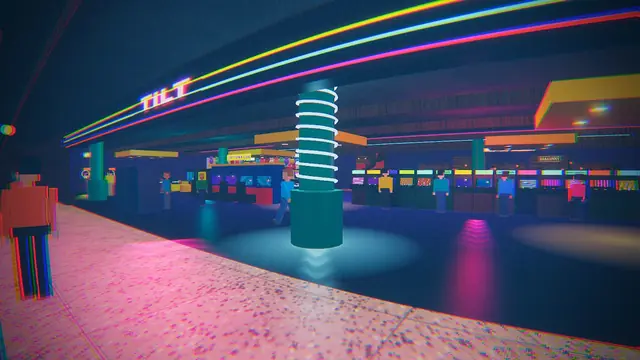
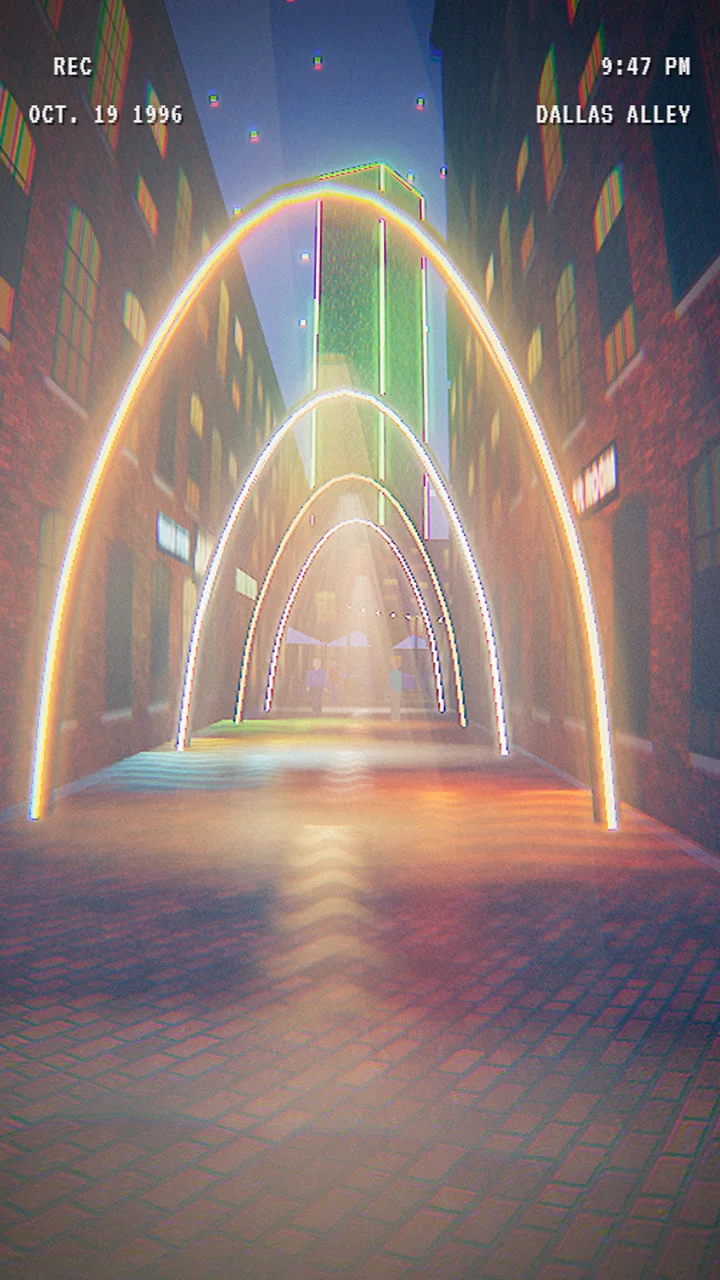
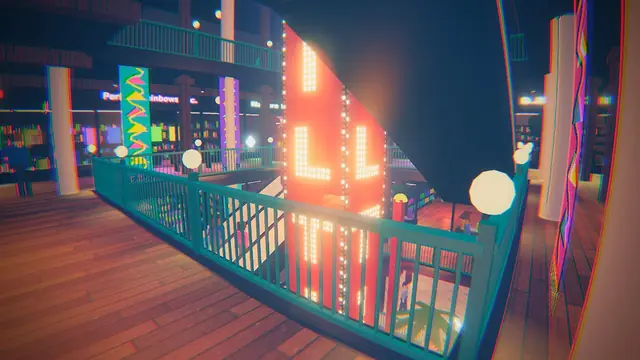
Visitors walk it on a Saturday night: in under Dallas Alley's neon arches, past the Fudgery's case by the front door, up through the atrium, and down to the Tilt arcade. Shops sit on the floors the records put them on. A second visit goes back to December 4, 1991, when Van Halen played a free show outside.

A guest book lets visitors add their own memory of the place, with a photo if they have one. I read and approve every entry before it shows, and pin the approved ones to the spot in the building they describe. A history page tells the building's story, and each picture on it opens the walk-through at that exact spot.
Title
PARISITES
Place and date
Paris, Texas, today
Medium
Real-time 3D town, built block by block, with a guest book, for the web
Sources
OpenStreetMap for the streets and parks, and the town's own landmarks and history for everything built on them

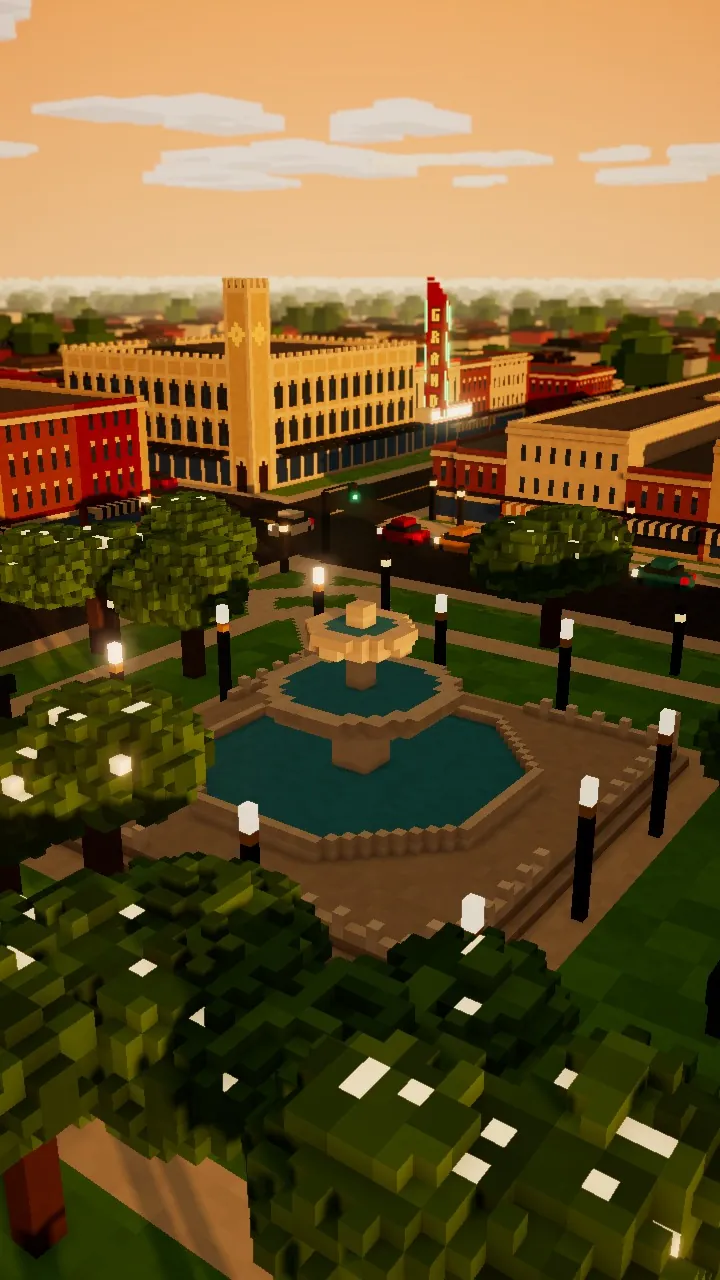
My hometown, built as a place you can explore one part at a time. Visitors pick a spot on the map and travel there: the downtown square with Culbertson Fountain and the Plaza Theatre, Bywaters Park and its peristyle, Heritage Park with the Union Depot and the museum, the fairgrounds, and the Eiffel Tower in its cowboy hat.

The streets and parks are laid out from real map data, and the buildings are made by hand to match what stands there. A guest book collects notes from people who live in Paris or grew up there.

The same method works outdoors, too: a downtown fall festival, rebuilt as a square you can walk around.

What a visitor does with it

The research behind it

An exhibit is only as good as what it is built from. Before anything is modeled, I gather what is known about the place and keep a source for every fact.

Records and memories are kept apart. A floor plan is a record. Someone remembering the fudge counter on the left as you came in is a memory, and it is marked as one until a second source agrees. Where the sources run out, the exhibit says so rather than guessing.

Your collection comes first. There are rounds of review with your staff and stakeholders before anything is final.

On a touchscreen in the room, and on a phone at home

In your gallery

It runs full screen on a touchscreen all day and goes back to its opening view when a visitor walks away. It is built to be used by anyone, including visitors who need larger text, sound, or who cannot use a touchscreen the usual way. It is built to survive daily public use, with support when something goes wrong.

You supply the screen, the mount and the housing. Not sure what to buy? Talking through the hardware is free.

At home

The same exhibit opens in any browser, with nothing to install. People who visited can walk it again, people who could not visit can see it, and a history page helps people searching for the place find your museum.

What an exhibit costs

From $12,000, built to spec

The starting price covers one screen: a touchscreen exhibit built around your subject, designed so a visitor understands it without instructions, open to every visitor, and built to run all day in public. It includes rounds of review with your staff before anything is final. More screens, more subjects, or original artwork and animation are priced on top.

Most exhibits take eight to ten weeks. Support is agreed with each project, to fit how your institution buys it. The hardware is yours to supply.

Questions

What does an interactive museum exhibit cost?

Interactive exhibits start at $12,000, built to spec. That starting price covers one screen. More screens, more subjects, or original artwork and animation are priced on top, and the quote form gives you an honest price for the whole build.

Do you supply the touchscreen?

No. You supply the screen, the mount and the housing; what you are buying is the exhibit that runs on them. Choosing the hardware is a free conversation, and I am glad to help you pick it.

How accurate is it?

Everything presented as fact comes from a source: floor plans, directories, maps, archival footage and your own collection. Where a source runs out, the research notes say so, and memories are kept apart from records. Your staff review it in rounds before anything is final.

Can it show a place that no longer exists?

Yes. That is what the West End Marketplace walk-through is: a Dallas mall that closed in 2006, rebuilt from its floor plan, its store directory and news footage of the era.

How long does an exhibit take?

Usually eight to ten weeks, because there are rounds of review with your staff and stakeholders built into it.

What happens if it stops working?

It is built to survive daily public use and to be fixed quickly if something goes wrong. Support is agreed with each project, to fit how your institution buys it.

Are the West End and PARISITES museum installations?

No. Both are my own studies, made to show what this kind of exhibit can be, and both are free to visit in any browser. Neither was commissioned by a museum.

Is there a place your visitors miss?

Tell me about it, and about the room the screen will stand in. You'll get an honest price for the whole build.